
Staff Behavioural Change Programmes

train staff regularly on energy
Staff Behavioural Change Programmes

How Often Should I Train Staff on Energy Use? Stay Consistent

Optimal staff energy training requires a quarterly rhythm with comprehensive annual assessments. Studies show information retention significantly decreases after three months, making regular reinforcement essential. Organisations should establish an integrated approach through structured sessions, point-of-need instruction, and ongoing performance feedback tailored to your specific operational requirements. When developing your training

posters influence staff behavior
Staff Behavioural Change Programmes

Can Posters and Signs Change Staff Habits? Yes, Here’S Proof

Research confirms visual cues effectively modify workplace behaviours. Studies show handwashing reminder signs increase compliance 34%, whilst safety signage reduces violations 27%. The brain processes visual information 60,000 times faster than text, utilising 30% of the cortex. Strategic design elements—colour psychology, visual hierarchy, and clear CTAs—significantly improve effectiveness.Properly implemented signage

peak usage awareness training
Staff Behavioural Change Programmes

What Should Staff Know About Peak Usage Times? Educate Early

Staff should understand peak electricity pricing periods, typically occurring weekday afternoons and evenings, when rates are substantially higher. Early education helps employees identify energy-intensive equipment like industrial motors, HVAC systems, and manufacturing processes that should be minimised during these times. South African businesses face particular challenges with loadshedding schedules, making

start small build efficiency
Staff Behavioural Change Programmes

How Do I Build a Culture of Energy Efficiency? Start Small

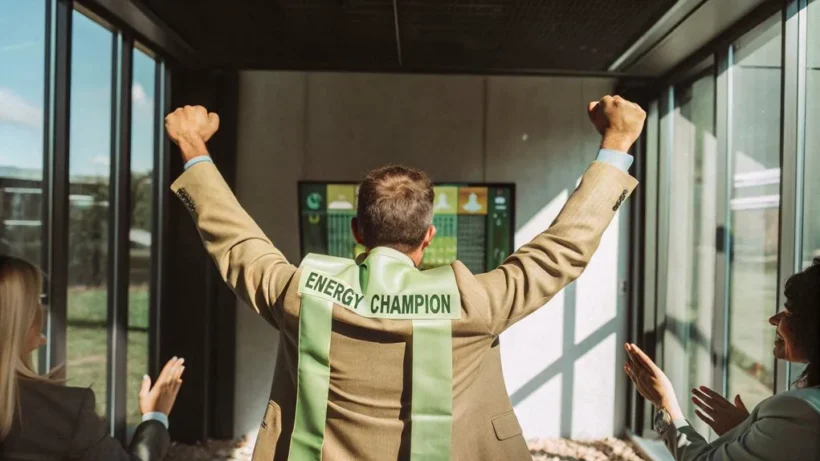
Building an energy efficiency culture starts with small, achievable team objectives structured through SMART goals. Leadership must demonstrate visible alignment between their actions and messaging, whilst recognition programmes celebrate step-wise progress via verbal acknowledgement and concrete rewards. Continuous performance feedback mechanisms, including real-time dashboards, maintain strong momentum throughout the organisation.Cross-departmental

energy saving staff incentives strategy
Staff Behavioural Change Programmes

Can Staff Incentives Help Cut Energy Use? Try This Approach

Staff incentives significantly decrease workplace energy consumption through behaviour change strategies. Effective programmes merge financial rewards with public recognition systems, establishing motivation for individuals and teams alike. Research from South Africa's PSEE Programme indicates potential savings of almost 25,000 GWh across industrial sectors. Return on investment emerges from diminished energy

monitor staff energy use
Staff Behavioural Change Programmes

What Are the Best Tools to Monitor Staff Energy Use? Track Now

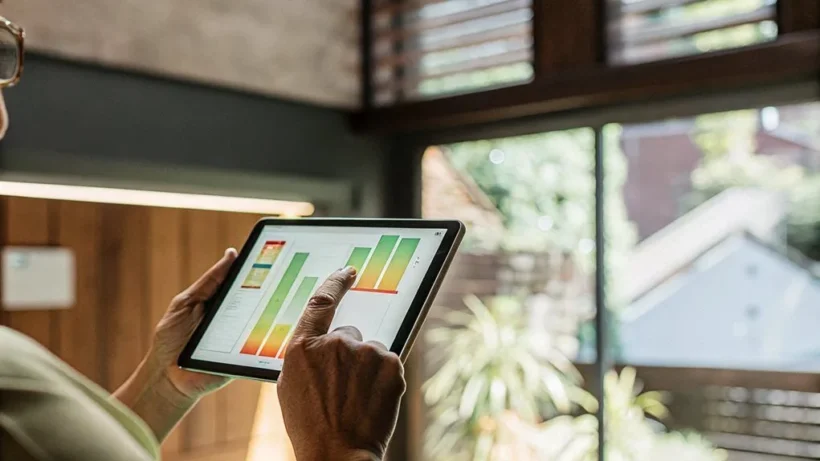
Modern energy monitoring systems across South Africa encompass everything from standard smart metres to sophisticated AI-powered platforms featuring machine learning capabilities. Leading tools in the local market include Smappee and Sense, which deliver circuit-level consumption tracking, detect unusual patterns, and offer convenient mobile accessibility. These solutions transform complex data into

train staff for energy awareness
Staff Behavioural Change Programmes

How Do I Train Staff for Energy Awareness? Teach Them Right

Effective energy awareness training demands systematic implementation of customised programmes tailored to organisational requirements. Before initiating training, companies should conduct comprehensive assessments to identify specific energy consumption patterns common in South African workplaces. Developing relevant materials that address local energy challenges, coupled with interactive methods such as facility tours and

staff energy saving practices tips
Staff Behavioural Change Programmes

What Are Energy-Saving Habits for Staff? Start With These

Office staff can reduce energy consumption through several simple habits. Turning off equipment when not in use, utilising smart power strips, and dimming lights 30% near windows considerably cuts costs. Adjusting thermostats seasonally (20°C winter, 25°C summer) enhances HVAC efficiency. Positioning desks to maximise natural light reduces artificial lighting needs.Implementing

staff behaviour influences energy costs
Staff Behavioural Change Programmes

How Can Staff Behaviour Affect Energy Costs? See the Impact

Staff behaviours notably impact organisational energy costs, accounting for up to 30% of consumption. Common inefficiencies include leaving devices on standby, improper temperature settings, and using outdated equipment. Simple changes like switching off non-essential devices produce measurable savings. Effective interventions combine leadership participation, educational workshops, incentive programmes, and real-time feedback