
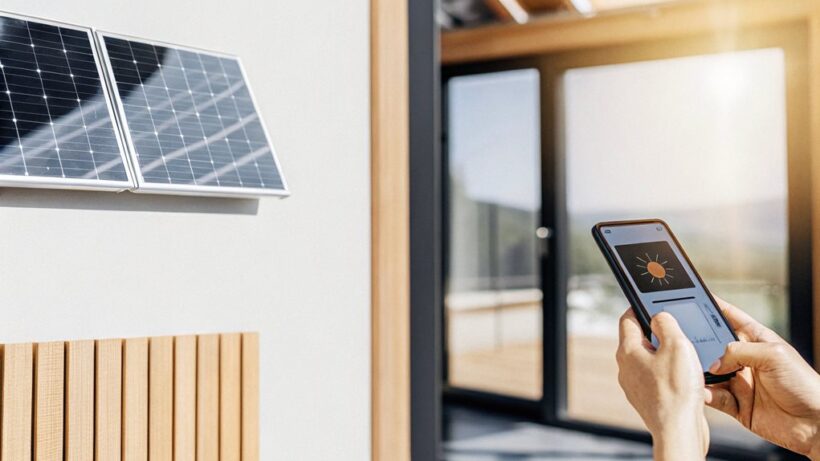
Tag: energy tracking

real time energy tracking trends
Real-Time Energy Monitoring

What’S Next in Real-Time Energy Tracking Tech? Stay Ahead of Trends

Real-time energy tracking continues its evolution through edge computing integration, AI-driven predictive analytics, and blockchain security advancements. Next-generation IoT sensors now surpass traditional smart meters in precision, whilst 5G technology enables instantaneous grid adjustments. LSTM and RNN models achieve 95%+ forecast accuracy, supporting decentralised energy management systems.South Africa's transition from

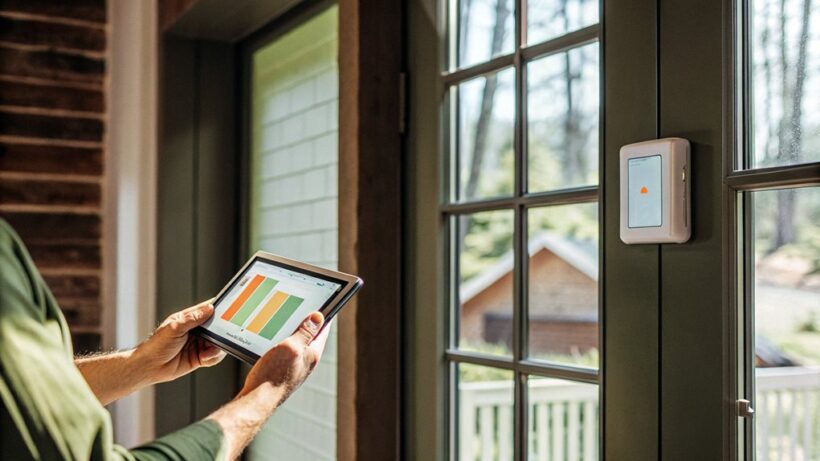
track energy use efficiently
Real-Time Energy Monitoring

How Do I Track Energy Use Across My Locations? Get Full Control

Tracking energy use across multiple locations requires implementing a centralised cloud-based management system. These platforms integrate real-time meter data from all facilities into unified dashboards, eliminating manual processing inefficiencies. Organisations typically achieve 10-15% cost reductions while decreasing administrative workload through 37 hours monthly saved time.Key components include mechanised data collection,

franchise energy monitoring solutions
Real-Time Energy Monitoring

How Can Franchises Track Energy Live Easily? Streamline Oversight

Franchises can efficiently track energy in real-time through integrated IoT systems connected to cloud-based dashboards. These solutions consolidate multi-site energy data into centralised platforms, enabling instant monitoring of consumption patterns and automatic alerts for usage anomalies. Management teams benefit from customisable thresholds, comparative analytics between locations, and mobile accessibility—all without

track energy goals easily
Real-Time Energy Monitoring

Can I Track Energy Goals in Real Time Easily? Set Smarter Targets

Real-time energy goal tracking exists now through IoT sensors and smart metres. Organisations can monitor consumption patterns continuously, which enables immediate interventions rather than retrospective analysis. Traditional SMART goals often create rigidity, whilst flexible monitoring systems provide customisable dashboards, performance threshold alerts, and benchmarking capabilities.Implementation requires proper KPI selection, including